
واژه نامه قهوه: میزان جریان Flow rate

کمال اسپرسو

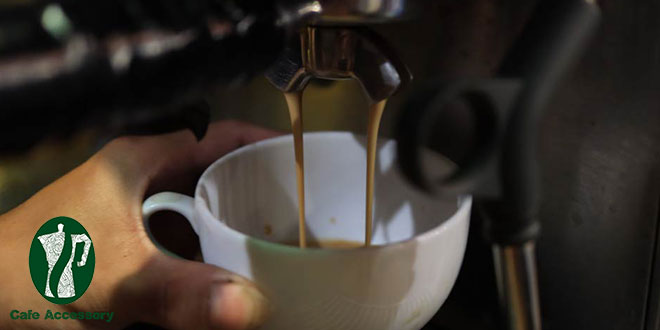
کافه اکسسوری – میزان جریان Flow rate اغلب در رابطه با زمان موردبحث قرار می‌گیرد و کاملاً ساده، مدت‌زمانی که آب از قهوه و داخل فنجان عبور می‌کند را نشان می‌دهد. تنها روش دم کردن قهوه؛ هنگامی‌که به میزان جریان مراجعه نمی‌کنید، یک روش غوطه‌وری کامل است. در این موارد، ما هنوز علاقه‌مند به اندازه‌گیری زمان هستیم، اما این به معنای «زمان شیب‌دار» است – چه مدت قهوه و آب قبل از اتمام تولید کنار هم می‌نشینند.

سرعت جریان بیشترین تأثیر را با اسپرسو دارد. دلیل این امر این است که جریان اسپرسو مستقیماً با آسیاب در ارتباط است. اگر قهوه رقیق‌تر شود، عبور آب از آن سخت‌تر خواهد شد و سرعت جریان کم می‌شود. در مقابل، هرچه آسیاب درشت‌تر شود، فضای بیشتری بین ذرات وجود دارد و سرعت جریان سرعت می‌یابد. درجه آسیاب همچنین در روش‌های فیلتری بر سرعت جریان تأثیر می‌گذارد؛ مانند سایر متغیرهای دم کردن قهوه، ما باید میزان جریان را به‌عنوان بخشی از معادله بزرگ‌تر در نظر بگیریم و ارائه قوانین سخت و سریع دشوار است. ممکن است بشنوید که یک اسپرسو کامل ۲۵ ثانیه جریان دارد. این ثابت نمی‌ماند: بسته به قهوه و آسیاب و همچنین دستورالعمل، در صورت دستیابی به نتایج بهینه، میزان جریان می‌تواند به طرز چشمگیری متغیر باشد.

منبع: The Coffee Dictionary, Maxwell Colonna

Flow rate

Flow rate is often discussed in relation to time – quite simply, the time it takes for the water to pass through the coffee and into the cup. The only method of brewing coffee when you would not reference flow rate would be a full-immersion method. In these instances we would still be interested in measuring time, but it would be in terms of “steep time” – how long the coffee and water sit together before the brew is finished. It is arguable that rate has the most impact with espresso. This is because flow in espresso is directly linked to grind.

If the coffee is ground finer, it will be trickier for the water to pass through it and the flow rate will slow down. Conversely, as the grind gets coarser, there is more room between the particles and the  rate will speed up.

Grind also affects flow rate in pour-over filter methods. Like all the variables in brewing coffee, we have to consider flow rate as part of a bigger equation and it is difficult to offer up hard-and-fast rules. You may hear that a perfect espresso has a flow rate of 25 seconds. This just does not hold up: depending on the coffee and the grinder, as well as the recipe, flow rate can range dramatically if optimal results are to be achieved

کافه اکسسوری را در اینستاگرام نیز دنبال کنید.
واژه نامه قهوه: نت‌های طعم‌دهنده Flavour notes

Flavour notes

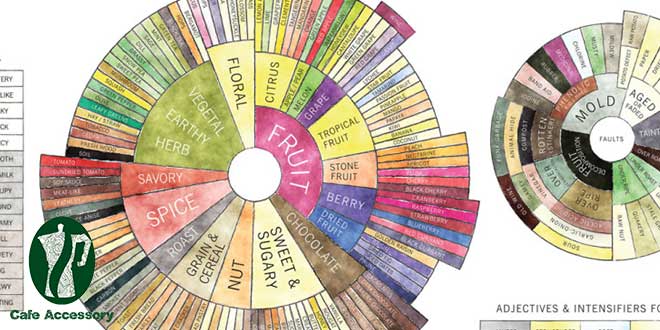
کافه اکسسوری – فهرستی از یادداشت‌های عطروطعم توصیفی Flavour notes ، چه برچسب زده شده باشد و چه در طول بحث درباره آن‌ها صحبت شود، می‌تواند کمی ترسناک باشد. اولاً، چشیدن چیزی و اینکه بتوانید آن را به‌صورت تحلیلی توصیف کنید هم دشوار است و هم به تجربه خاصی نیاز دارد. ثانیاً، چیزی به‌عنوان نت‌های عالی وجود ندارد. حتی اگر آن‌ها اغلب به روشی واقعی ارائه شوند، درواقع بسیار ذهنی هستند.

در برخی از عناصر قهوه راحت‌تر می‌توان به‌طور عینی به توافق بر سر آن‌ها رسید، مانند بادی یا تن‌واری، سوزش دهان و سبک کلی. به‌عنوان‌مثال، ما می‌توانیم به‌راحتی بپذیریم که آیا یک قهوه سبک و معطر است یا کاملاً شیرین است. تجربه، مانند سایر رشته‌های مبتنی بر سلیقه، کلید اصلی است. طعم زیاد قهوه و شروع به درک طعم‌های مختلف آن و پیوند کلمات و زبان و همچنین تجربیات طعم‌دهنده باعث افزایش توانایی شما در توجه و توصیف یادداشت‌های طعم‌دهنده می‌شود.

صحبت کردن در مورد عطروطعم، بحث در مورد دیگران و ساختن مرجع؛ بسیار مفید است و همچنین می‌تواند بسیار سرگرم‌کننده و جالب باشد. یک چرخه مخصوص طعم قهوه وجود دارد (که در سال ۲۰۱۶ به روز شد) که زبان این صنعت را برای هر دو طعم منفی و مثبت قهوه بیان می‌کند. یک زبان از پیش تعیین شده برای یک جامعه جهانی بسیار با ارزش است به‌طوری‌که می‌تواند زمینه‌های مشترکی ایجاد کند.

منبع: The Coffee Dictionary, Maxwell Colonna

Flavour notes

A list of descriptive flavour notes, whether on a label or spoken about during a discussion, can be a little bit scary. Firstly, tasting something and being able to describe it analytically is both difficult and requires specific experience.

Secondly, there is no such thing as perfect flavour notes; even though they are often presented in a factual way, they are in reality highly subjective. Certain elements of a coffee are easier to spot objectively and agree on, such as body, mouthfeel, and overall style. We can, for example, quite easily concur whether a coffee is light and aromatic or full-bodied and sweet.

Like all taste-based disciplines, experience is the real key. Tasting lots of coffee and beginning to grasp the range of flavours possible and to link words and language to those flavour experiences will increase your ability to notice and describe flavour notes.

It is really useful to talk about flavour, to discuss it with others and to build reference points, and it can be really fun and interesting as well. There is a speciality coffee flavour wheel (updated in 2016) that outlines the industry language for both negative and positive coffee flavours. A preset language is very valuable for a global community so that it can find common ground

کافه اکسسوری را در اینستاگرام نیز دنبال کنید.
واژه نامه قهوه: فلت وایت Flat white

Flat white

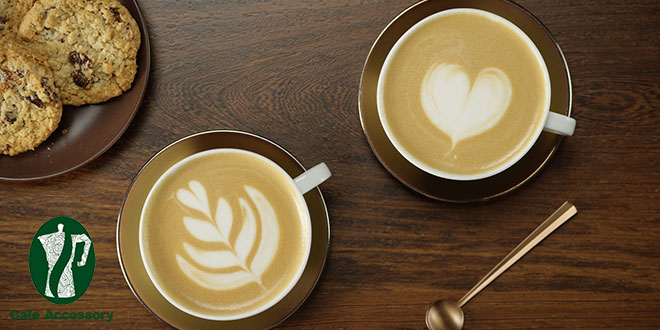
کافه اکسسوری – چه کسی فلت وایت Flat white را اختراع کرده است؟ ما هرگز پاسخ واضحی برای آن دریافت نمی‌کنیم. سؤال بعدی: دقیقاً فلت وایت چیست؟ خوب، این نوشیدنی دارای شیر، اسپرسو و شیر بخارپز یا فوم است و نوشیدنی نسبتاً قوی است. مشخصات آن متفاوت است، مشکلی که شما با انواع نوشیدنی‌های با آن روبرو خواهید شد. آن‌ها به طرق مختلف تفسیر می‌شوند و این تفسیرهای مختلف، حداقل برای یک گروه خاص از متخصصان یا افراد وابسته، تبدیل به انجیل می‌شوند. تعریف فلت وایت که با آن بیشتر آشنا هستم یک شات اسپرسوی دوبل با شیر نسبتاً صاف است که درون یک فنجان ۶ اونسی ریخته شده است. به‌طور سنتی، کاپوچینو یک نوشیدنی با شیر بخارپز نسبتاً کوچک و قوی بود، اما باگذشت سال‌های متمادی، این محصول بزرگ‌تر و بزرگ‌تر شده است، به‌گونه‌ای که در بسیاری از کشورها با یک لاته یخی مترادف شده است. موفقیت فلت وایت به استحکام آن متکی است و در بسیاری از کافی‌شاپ‌های جهان متداول شده است، زیرا نوشابه‌ها علیه نوشیدنی‌های بزرگ و غلیظ حاکم بر بازار قیام می‌کنند و بیشتر به خود قهوه توجه می‌شود.

منبع: The Coffee Dictionary, Maxwell Colonna

Flat white

Who invented the flat white? We won’t ever get a clear answer to that, but it was definitely somewhere Down Under. Next question: what exactly is a flat white? Well, it has espresso and steamed milk and is relatively strong. The specifics vary, a problem you will come across with all familiar drink types. They are interpreted in a variety of ways and these varying interpretations then become gospel, at least for a particular group of experts or aficionados. The definition of the flat white I am most familiar with is a double espresso shot with relatively flatly steamed milk poured into a 6oz cup. Traditionally, the cappuccino was a relatively small, strong, steamed milk drink, but over many years it has evolved to be larger and larger, so that in many countries it has become synonymous with a frothier latte. The flat white’s success relies on its strength, and it has become commonplace in many coffee shops around the globe, as drinkers rebel against the increasingly oversized drinks that dominate the market and take more interest in the coffee itself

کافه اکسسوری را در اینستاگرام نیز دنبال کنید.
واژه نامه قهوه: تیغ تخت در آسیاب Flat burr

Flat burr

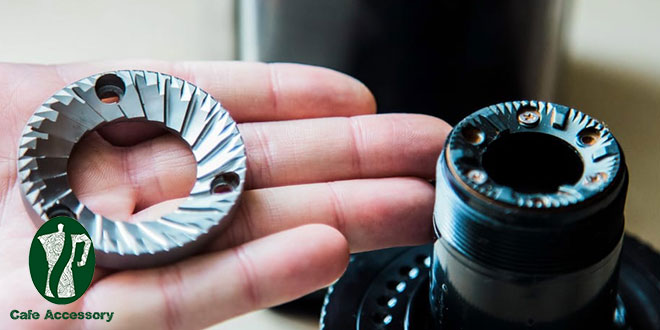
کافه اکسسوری – آسیاب کردن قهوه از خرد کردن لوبیای قهوه در قطعه‌های مختلف و با تجهیزات مختلف به دست می‌آید. تیغه تخت Flat burr و تیغه مخروطی دو غالب در آسیاب‌های قهوه هستند. هر دو سبک مبتنی بر سیستم دو بخشی هستند که به یکدیگر نزدیک‌تر یا به همدیگر منتقل می‌شوند تا فضایی را که در طی آن دانه‌های قهوه از آن عبور می‌کنند، تغییر دهند و در هنگام انجام دانه‌ها را خرد کنند. ازنظر نوع تیغه، آسیاب‌ها به‌ناچار تفاوت زیادی باهم و ازنظر تولیدکنندگان مختلف دارند و بر اساس تنوعات جالبی از جزئیات مانند چرخش در دقیقه (دور در دقیقه)، خروجی دانه و مواد و قطر و همچنین برش خاص با هم متفاوت هستند. همه آسیاب‌های آهنی یک پیشرفت چشمگیر در آسیاب‌های تیغه ساده هستند که مانند مخلوط‌کن آبمیوه در قهوه هک می‌شوند و یک آسیاب واقعاً ناسازگار می‌دهند. سایر روش‌های آسیاب کردن هم وجود دارد؛ مانند آسیاب هوا و آسیاب غلتک، اما این تجهیزات شامل تجهیزات گران‌قیمت است. گفتنی است درجه آسیاب و یکسانی آن تأثیر شگفت‌انگیزی در کیفیت یک فنجان قهوه دارد.

منبع: The Coffee Dictionary, Maxwell Colonna

Flat burr

Grinding coffee from whole beans into ground coffee can be achieved in a number of ways with various pieces of equipment. The flat burr and conical designs are the two predominant. Both styles are based on a system of two parts that are moved closer together or further apart to alter the space through which the coffee beans pass, crushing them as they do so. In terms of the flat burr, grinds inevitably vary wildly across different manufacturers, based on an amazing variety of details such as rotations per minute (rpm), delivery of beans, and the material and diameter as well as the particular cut of the burr. All burr grinders are a massive improvement on the simple blade grinder, which hacks at the coffee like a juicing blender and gives a really inconsistent grind. Other grinding techniques are out there such as air grinding and roller grinding, but these involve expensive equipment. Grinding has an incredible impact on how good a cup of coffee is. More and more research is going into grinding in terms of our understanding of it and the equipment we use

کافه اکسسوری را در اینستاگرام نیز دنبال کنید.

واژه نامه قهوه: اولین طرق در رُست First crack

First crack

کافه اکسسوری – فرآیند رُست مملو از فرآیندهای جالب و محرک‌های حسی است – بوها، صداها، تصاویر گنگ و گرما. یکی از قابل‌توجه‌ترین تجربه‌های تازه آغاز شده، نشانه‌های شنیدنی در اولین طرق First crack است. این اغلب به‌مانند طرق اول در پاپ کورن تشبیه شده است، اگرچه می‌گویم اولین طرق بیشتر از صدای طرق است. این نام با فرآیند بدنی‌ای که لوبیا در آن طی می‌شود پیوند خورده است: شکاف آن باز می‌شود و تقریباً دو برابر می‌شود زیرا رطوبت موجود در لوبیای قهوه باعث فرار آن می‌شود. در این مرحله این یک قهوه‌ای روشن است و به‌جای مصرف آن انرژی را آزاد می‌کند. همچنین شکاف دوم وجود دارد که نشانگر ایجاد گازهای موجود در قهوه است. این‌زمانی است که دانه قهوه شروع به تجزیه می‌کند و روغنی و تیره می‌شود.

منبع: The Coffee Dictionary, Maxwell Colonna

First crack

Roasting is full of interesting processes and sensory stimuli – the smells, the sounds, the tumbling visuals, the heat. One of the most notable experiences for the newly initiated is the audible cue of first crack. It is often likened to the popping of corn, although I would say that the first crack is more of a snapping sound than a pop. The name is linked to the physical process the bean is going through: it is cracking open and almost doubling in size as the moisture in the coffee bean makes its escape. At this point it is a light brown and is releasing energy rather than taking it on. There is also a second crack that signals the buildup of gases in the coffee; this is when the coffee bean begins to break down and gets oily and dark

کافه اکسسوری را در اینستاگرام نیز دنبال کنید.
واژه نامه قهوه: فیکا Fika

Fika

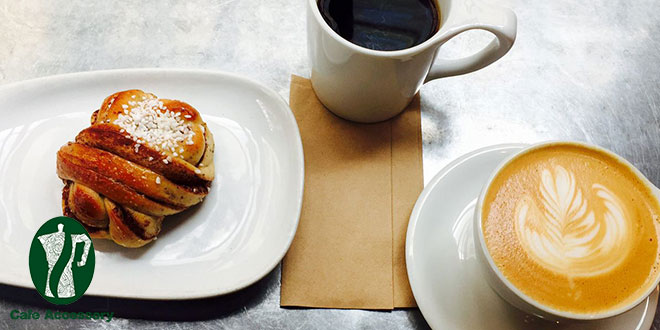
کافه اکسسوری – این اصطلاح سوئدی فیکا Fika یا «قهوه و کیک» را می‌توان به مفهوم استراحت قهوه یا چای بعدازظهر تشبیه کرد، اما درواقع برای فرهنگ سوئدی بی‌نظیر است (اگرچه در فنلاند نیز چیزی مشابه همین است). این مراسم روزانه معمولاً در محیط کار اهمیت ویژه‌ای دارد که در آن تعامل مهم اجتماعی در کنار یک فنجان قهوه خوب و نوعی کیک‌های پخته صورت می‌گیرد. نان دارچین که گاهی اوقات حتی به‌عنوان فکراباد یا «نان فیکا» از آن یاد می‌شود، یک همراه خاص است. اگرچه فیکا در قهوه ریشه دارد، اما امروزه نوشیدنی‌های دیگری مانند چای و آب نیز در این دایره قرارگرفته‌اند.

منبع: The Coffee Dictionary, Maxwell Colonna

Fika

This Swedish term for “coffee and cake” can be likened to the concept of a coffee break or afternoon tea, but is in fact rather unique to Swedish culture (though there is something similar in Finland, too). This daily ritual is often specifically important in the workplace where crucial social interaction takes place over a good cup of coffee and some form of baked goods. Cinnamon buns, sometimes even referred to as fikabröd (“fika bread”), are a particularly popular accompaniment. Although the origins of fika are rooted in coffee, today other beverages such as tea and juice have crept into the mix

کافه اکسسوری را در اینستاگرام نیز دنبال کنید.
واژه نامه قهوه: تخمیر Fermentation

Fermentation

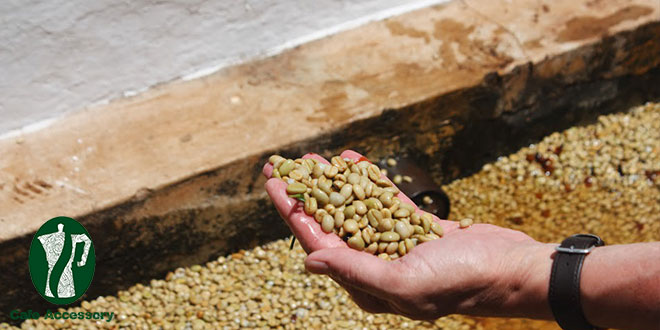
کافه اکسسوری – تخمیر Fermentation از زمان نوسنگی توسط انسان مورداستفاده قرار گرفته است تا انواع نوشیدنی و ترشی‌های جادویی تولید کند. تخمیر به‌عنوان یک فرایند متابولیک تعریف می‌شود که قندها را به اسیدها، گازها یا الکل تبدیل می‌کند و اغلب برای توصیف رشد میکروارگانیسم‌ها به‌طور گسترده استفاده می‌شود. این بسیار جالب است زیرا می‌تواند طعم و مزه را به طرز چشمگیری تحت تأثیر قرار دهد. تغییر در دما، زمان، قند و نوع باکتری نتایج متفاوتی را ایجاد می‌کند. تولیدکنندگان قهوه همیشه دقیقاً با چگونگی تخمیر قهوه در هنگام پردازش و همچنین به دنبال درک بهتر روندها و محیط‌های موجود در کنار هم هستند. فرآیندهای تخمیر این پتانسیل را دارند که تأثیر مثبتی بر روی یک فنجان داشته و به اسیدیته شراب آن و بادی یا شیرینی درک شده آن بیفزایند. همچنین این امکان را دارد که از ویژگی قهوه جدا شود و کیفیت آن تحت تأثیر قرار دهد.

منبع: The Coffee Dictionary, Maxwell Colonna

Fermentation

Fermentation has been used by humans since the Neolithic age to produce all manner of boozy beverages and pickles. Fermentation is defined as a metabolic process that turns sugars into acids, gases, or alcohol. It is often used broadly to describe the growth of microorganisms. This is all extremely interesting because it can dramatically impact taste. Changes in temperature, time, sugar, and the type of bacteria will create different results. Coffee producers are always playing around with exactly how we ferment coffee during processing, as well as looking for a better understanding of existing processes and environments. Fermentation processes have the potential to have a positive impact on a cup, adding to its winey acidity and perceived body or sweetness. It also has the potential to detract from the coffee’s character and quality should fermentation go too far

کافه اکسسوری را در اینستاگرام نیز دنبال کنید.
واژه نامه قهوه: تجارت عادلانه Fair trade

Fair trade

کافه اکسسوری – جالب است بدانید که گواهی تجارت عادلانه Fair trade به‌سختی در بخش قهوه تخصصی و مغازه‌ها و رستری‌های “موج سوم” در سراسر جهان دیده می‌شود. این واقعاً به این دلیل است که تجارت عادلانه برای محافظت از تولیدکنندگان در برابر هوی و هوس بازار قهوه تجاری طراحی‌شده است.

در بخش تخصصی، جایی که کیفیت فنجان می‌تواند قیمت‌هایی را بیش از دو برابر قیمت بازار ارائه دهد، تجارت منصفانه احساس حضور کمتری می‌کند. گفته می‌شود، این گواهی در بخش تجارت دارای جوانب مثبت و منفی است. اصول اصلی به همان میزان کار می‌کند که تولیدکنندگان تجارت منصفانه همیشه قیمتی را دریافت می‌کنند که حداقل هزینه تولید را برآورده می‌سازد.

بازار قهوه نوسان دارد، بنابراین در برخی اوقات قیمت می‌تواند باعث شود قهوه به‌هیچ‌وجه ارزش رشد نداشته باشد. یک مطالعه نشان داده است که در مناطقی خاص معاملات تجاری منصفانه می‌تواند زمانی تنظیم شود که بازار کم باشد و وقتی‌که بازار به‌نوبه خود به سمت بالا حرکت می‌کند، تولیدکنندگان از قیمت‌های بالا دست می‌کشند. این یک مسئله پیچیده است، اما از اهداف تجارت منصفانه باید حمایت شود، زیرا این برنامه قادر به ایجاد تفاوت واقعی در حوزه قهوه کالایی است.

جالب اینجاست که در سال ۲۰۱۱ شکافی بین تجارت عادلانه بین‌المللی و تجارت عادلانه ایالات‌متحده ایجادشده است که ناشی از اختلاف عقیده در مورد کار با سازمان‌های بزرگ‌تر یا کار با گروه‌های کشاورزی کوچک‌تر تعاونی است.

منبع: The Coffee Dictionary, Maxwell Colonna

Fair trade

It is curious to note that the Fair trade certificate is barely seen in the speciality coffee sector and the “third wave” shops and roasters around the world. This is really because Fair trade was designed to safeguard growers against the whims of the commercial C market.

In the speciality sector, where cup quality can offer prices over double that of the market price, Fair trade makes less sense. That said, the certificate has its pros and cons in the commercial sector. The main tenet works in as much as Fair trade producers will always get a price that at least meets the cost of production.

The C market swings, so at certain times the market price can make coffee not worth growing at all. A study has shown that in certain areas Fair trade deals can be arranged when the market is low and the growers then miss out on the high prices when the market takes an upward turn.

It is a complex issue, but the goals of Fair trade should be supported, as it is a programme capable of making a real difference in the sphere of commodity coffee. Interestingly, in 2011 there was a split between Fair Trade International and Fair Trade USA, stemming from a difference in belief about whether to work with larger organizations or to work only with smaller cooperative farming groups

کافه اکسسوری را در اینستاگرام نیز دنبال کنید.

واژه نامه قهوه: استخراج Extraction

Extraction

کافه اکسسوری – استخراج Extraction در دنیای قهوه عبارت است از «حذف یا بیرون کشیدن، به‌ویژه با تلاش یا زور». اصول استخراج درواقع مفهوم اصلی هر روش دم کردن یا فرآیند تهیه قهوه است. تمام فنجان قهوه مورداستفاده حاوی مقداری آب است تا مقداری عطروطعم را از بعضی از دانه‌های قهوه آسیاب شده خارج کند. پیچیدگی تعجب‌آور این روند این است که بسیاری از فتنه‌ها و همچنین ناامیدی از تهیه قهوه را به ما می‌تواند انتقال دهد. با عصاره‌گیری کم‌وبیش از حد قهوه می‌توانید به این فکر کنید که قهوه را قوی‌تر یا ضعیف‌تر کنید.

مشکل این روش این است که ترکیبات مختلف با سرعت‌های مختلف استخراج می‌شوند، به‌طوری‌که استخراج کمتر یا بیشتر از قهوه منجر به طعم‌های مختلف می‌شود. ابتدا طعم‌های شفاف‌تر، اسیدی و میوه‌ای ظاهر می‌شوند و به دنبال آن نکات عمیق، سنگین‌تر و در آخر، نت‌های تلخ و چوبی قرار می‌گیرند. یک فنجان قهوه خوب استخراج‌شده تعادل این‌ها را دارد. صنعت قهوه برای اندازه‌گیری قدرت قهوه و گمانه‌زنی در مورد میزان استخراج از فناوری فانتزی به نام رفسنجومتر استفاده می‌کند.

متأسفانه، اعداد ارائه‌شده توسط این دستگاه، کلیت تصویر نیست، زیرا یکنواختی آسیاب، فشار آب، دما و سایر متغیرها همگی بر نوع استخراج و میزان مطلوب آن تأثیر می‌گذارند. استخراج بهینه که اغلب مورد استناد قرار می‌گیرد ۲۰ درصد است. این بدان معناست که ۲۰ درصد قهوه توسط آب ‌گرفته شده و بقیه به‌عنوان کمپوست یا تفاله خرد شده‌اند.

کیفیت استخراج درنهایت با توجه به سلیقه تصمیم گرفته می‌شود، بنابراین این درصد می‌تواند متفاوت باشد، اما یک شاخص مفید است. دنیای قهوه فوری استخراج را با حداکثر گرم کردن و فشار چند برابر به حداکثر سرعت فشار می‌آورد. این امر می‌تواند تا ۶۰ درصد میزان استخراج را فراهم آورد و این امر باعث می‌شود فرآیند فوری قهوه به مؤثرترین روش آماده‌سازی در جهان تبدیل شود، نه‌تنها لزوماً مطلوب‌ترین آن.

منبع: The Coffee Dictionary, Maxwell Colonna

Extraction

To extract is to “remove or take out, especially by effort or force”. The principles of extraction are really the core concept of any brewing method or coffee-making process.

Boil it right down and all cups of coffee are about using some water to take some flavour out of some ground coffee beans. It is the surprising complexity of this process that gives us so much of the intrigue as well as the frustration of making coffee. You could be forgiven for thinking that you make stronger or weaker coffee by extracting more or less from the ground coffee.

The problem with this approach is that different compounds extract at different rates, so that extracting less or more from coffee results in different flavours. Sharper, acidic, fruity flavours tend to come out first, followed by the deep, heavier ones and, lastly, the woody, bitter notes. A well-extracted cup of coffee has a balance of these.

The coffee industry utilizes a fancy bit of technology called a refractometer to measure the strength of the coffee and to speculate on the level of extraction. Unfortunately, the numbers provided by this machine are not the whole picture, as the evenness of grind, the pressure of water, the temperature, and other variables all affect the type of extraction and how desirable it is.

The optimum extraction that often gets cited is 20 percent. This means that 20 percent of the coffee was taken by the water, and the rest was chucked onto the compost heap. Quality of extraction is still ultimately decided upon by taste so this percentage can vary, but it is a useful marker all the same.

The instant coffee world pushes extraction to the maximum through superheating and multibrewing. This allows for extraction levels of up to 60 percent, making the instant coffee process the most efficient preparation method in the world, just not necessarily the most desirable

کافه اکسسوری را در اینستاگرام نیز دنبال کنید.
واژه نامه قهوه: یکنواختی در قهوه Evenness

Evenness

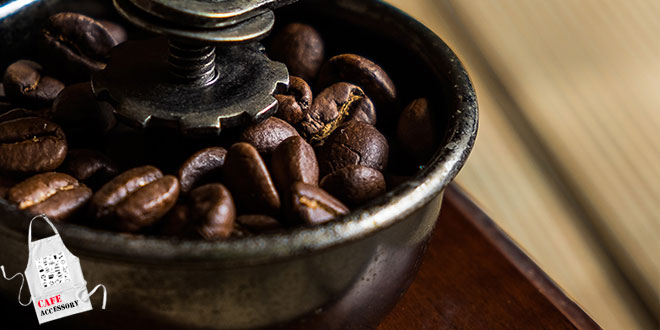
کافه اکسسوری – مفهوم یکنواختی Evenness در بسیاری از مراحل سفر دانه قهوه تا فنجان مورداستفاده است. برای یک باریستا و به‌طورکلی در تهیه قهوه، یکنواختی برتری ویژه‌ای دارد. یکنواخت‌تر، توزیع یکنواخت‌تر قهوه، یکنواختی در مصرف آب و غیره همه به‌طورکلی هدف موردنظر تلقی می‌شوند. بااین‌حال، برای پخت‌وپز – حتی بو دادن دانه قهوه – و برای برداشت محصول، جایی که درجه‌بندی صورت می‌گیرد و تا حد زیادی اندازه و شکل یک‌دانه خام ارزیابی می‌شود، این اصطلاح کاربرد دارد. درحالی‌که قطعاً بین کیفیت و اشکال مختلف یکنواختی ارتباط وجود دارد، اما این امر همیشه صادق نیست. در سال ۲۰۱۵، قهرمان جام جهانی Brewers Odd-Steinar Tøllefsen از قهوه‌ای استفاده کرد که عمداً به‌طور ناموزون خشک‌شده بود تا بتواند شخصیت قهوه را برجسته کند. این قهوه یک قهوه فرآوری شده طبیعی از اتیوپی به نام Semeon Abbay Nikisse بود، به نام سازنده‌ای که نظارت بر پردازش را تحت عنوان Semeon Abbay نام‌گذاری کرده بود.

منبع: The Coffee Dictionary, Maxwell Colonna

Evenness

The concept of evenness can be applied at many points throughout the coffee seed-to-cup journey. For the craft of the barista, and in coffee preparation in general, evenness is paramount. A more even grind, a more even distribution of coffee, a more even application of water, and so on are all generally considered to be the goal. The same, however, also goes for roasting – the even roasting of the bean – and for harvesting, where grading is to a large degree dictated by the even sizing and shape of the raw seed. While there is definitely a correlation between quality and different forms of evenness, this does not always hold true. In 2015, World Brewers Cup champion Odd-Steinar Tøllefsen won on the back of a coffee that was intentionally dried unevenly to accentuate the character of the coffee. This coffee was a natural-processed coffee from Ethiopia called Semeon Abbay Nikisse, named after the maker who oversaw the processing, Semeon Abbay

کافه اکسسوری را در اینستاگرام نیز دنبال کنید.