
واژه نامه قهوه: اندونزی Indonesia

Indonesia

کافه اکسسوری – خاکی و ادویه‌ای یادداشت‌هایی است که این قسمت از جهان یعنی اندونزی Indonesia بیشتر به خاطر قهوه معروف است.

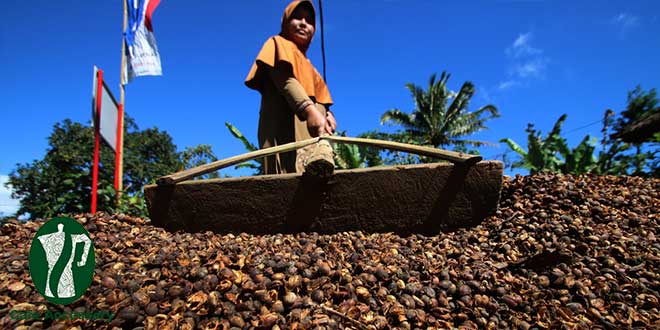
این را می‌توان به‌طور عمده به روش پردازش منحصربه‌فرد پوسته مرطوب نسبت داد، همچنین به‌عنوان giling basah نامیده می‌شود.

این یک فرایند دومرحله‌ای است.

قهوه بیشتر گیلاس را از بین می‌برد و با رطوبت ۳۰-۳۵ درصدی خشک می‌شود (برای صادرات کاملاً خشک می‌شود تا ۱۲ درصد رطوبت یا کمتر).

این مرحله خشک‌کردن همان‌طور که در فرآیند عسلی انجام می‌شود، با موسیلاژ هنوز سالم است.

پس‌ازآن، همه‌چیز، ازجمله پوست، قبل از اینکه بیشتر خشک شود، از لوبیا خارج می‌شود.

برداشتن پوست در اوایل غیرمعمول است و این روند به تولید بادی و اسیدیته کمتری منجر می‌شود.

قهوه‌های کاملاً شسته شده اندونزی در دسترس و دارای اسیدیته بیشتری هستند.

اگرچه داستان‌های عجیب‌وغریب قهوه از این قسمت از جهان مانند Kopi Luwak و Old Brown Java وجود دارد، اما برای من بهترین قهوه‌های این منطقه قهوه‌های شسته شده باکیفیت معطر و ادویه‌ای هستند.

قهوه‌های گرد اندونزیایی بیشتر در ترکیبات اسپرسو یافت می‌شوند که به دنبال دستیابی به مشخصات کامل و اسیدیته کم هستند.

توجه داشته باشید که بسیاری از مکان‌ها و جزایر در اندونزی قرار دارند، ازجمله سوماترا، سلوسی و جاوا که دارای مزارع قهوه هستند.

منبع: The Coffee Dictionary, Maxwell Colonna

Indonesia

Earthy and spicy are the notes that this part of the world is best known for when it comes to coffee.

This can mainly be attributed to the unique wet-hulled processing method, also referred to as giling basah.

This is a two-stage process.

The coffee has most of the cherry removed and is dried to 30–۳۵ percent moisture (for export it would be completely dried, to 12 percent moisture or below).

This drying phase is carried out with the mucilage still intact, much as in the honey process.

Afterwards, everything, including the parchment, is removed from the beans before they are dried further.

It is unusual to remove the parchment this early and the process tends to give the coffee a bigger body and lower acidity.

Fully washed Indonesian coffees are available and will tend to have more acidity.

Although there are some exotic coffee stories from this part of the world, such as Kopi Luwak and Old Brown Java, for me the best coffees from this region are washed coffees with aromatic and spicy qualities.

The rounder Indonesian coffees are more often found in espresso blends looking to achieve a full-bodied and less acidic profile.

Note that many locations and islands come under the Indonesia bracket, including Sumatra, Sulewesi, and Java.

کافه اکسسوری را در اینستاگرام نیز دنبال کنید.
واژه نامه قهوه: هند India

India

کافه اکسسوری – هند India کشوری است که به چیزهای زیادی معروف است.

این کشور ترکیبی زنده از فرهنگ و تاریخی باورنکردنی دارد و یک کشور مدرن در حال شکوفایی است؛ و اگرچه به‌طورقطع ازنظر کیفیت چای بیشتر شناخته‌شده است، اما قهوه نیز در این کشور تولید می‌شود.

در محافل خاص، این کشور به دلیل پرورش برخی از بهترین قهوه‌های روبوستا شناخته‌شده است.

عربیکا کمتر با شرایط رشد در هند مناسب است، هرچند که گفته می‌شود، تعداد زیادی قهوه چشمگیر وجود دارد که یک بادی گرد و خامه‌ای را با نت‌های دلپذیر و تند نشان می‌دهد.

در زمان‌های اولیه، قهوه را در جعبه‌های چوبی روی کشتی‌های دریایی حمل می‌کردند.

در طول فصل موسمی، قهوه سبز که راه خود را به آن‌طرف دریاها طی می‌نمود، رطوبت زیادی را جذب می‌کرد و قهوه‌ای ایجاد می‌شد که دارای اسیدیته کم و کمی طعم خاکستر و دارای بادی کاملاً گرد است.

اولویت برای این امر تکامل یافت و بنابراین، هنگامی‌که حمل‌ونقل بهبود یافت، هند شروع به فرآیند ساخت موسمی برای تقلید از عطروطعم کرد.

مشخصات فنجان می‌تواند تفرقه‌افکن باشد، زیرا اسیدیته و سایه از بین می‌رود اما بازار قوی قهوه موسمی همچنان وجود دارد.

منبع: The Coffee Dictionary, Maxwell Colonna

India

India is a country known for many things: it has a lively mix of cultures and an incredible history, and is a booming modern nation.

And, although it is definitely better known for the quality of its teas, there is also a fair amount of coffee production.

In speciality circles, the country is known for growing some of the best Robusta coffee.

Arabica is less well suited to the growing conditions in India, though, that said, there are some impressive lots that display a round and creamy body with pleasant, spicy notes.

Monsooned Malabar originates from the southwest coastal region of Kerala.

In earlier times, coffee was transported in wooden boxes on seafaring vessels.

During the monsoon season, the green coffee making its way across the seas would soak up a lot of moisture and create a coffee that was low in acidity and slightly musty, with a very round body.

A preference for this evolved and so, when transportation improved, coffee began to be put through an artificial monsoon process to mimic the flavour.

The cup profile can be divisive, as acidity and nuance are lost.

A strong market for the coffee continues to exist, however.

کافه اکسسوری را در اینستاگرام نیز دنبال کنید.

واژه نامه قهوه: کافی‌شاپ‌های مستقل Independent coffee shops

Independent coffee shops

کافه اکسسوری – اصطلاح «صحنه مستقل قهوه» Independent coffee shops ازنظر فنی فقط کافی‌شاپ‌های غیر زنجیره‌ای در سراسر جهان را در بر می‌گیرد و بنابراین طیف وسیعی از مراکز سرو قهوه باکیفیت و سبک‌های مختلف را شامل می‌شود.

بااین‌حال، این اصطلاح احساس ارزش‌ها را به‌ویژه در مورد قهوه تجسم یافته می‌کند.

«موج سوم» و حرکات تخصصی؛ ریشه در فرهنگ قهوه مستقل دارند و همبستگی به این دلیل منطقی است.

درعین‌حال، بعضی‌اوقات این اصطلاح و کاربرد آن را کمی تحریک‌کننده می‌دانم.

بسیاری از کافی‌شاپ‌های مستقل هیچ تمرکزی روی قهوه‌های دستی ندارند و شاید جالب‌تر اینکه قهوه‌های استثنایی فقط وظیفه شرکت‌های مستقل قهوه نیست.

تعریف دقیقاً زمانی که یک شرکت تولید قهوه دیگر مستقل نباشد می‌تواند مشکل باشد، اما من قطعاً شرکت‌های قهوه در حال رشد، بلند پروازانه و باکیفیت را دیده‌ام که در رشته قهوه‌های ویژه فعالیت و پیشرفت می‌کنند.

منبع: The Coffee Dictionary, Maxwell Colonna

Independent coffee shops

The term “independent coffee scene” technically just encompasses all the non-chain coffee shops around the world, and thus a huge range of coffee-serving establishments of varying qualities and styles.

However, the term has come to embody a sense of values, especially with regard to the coffee.

The “third wave” and speciality movements are rooted in independent coffee culture and the correlation makes sense due to this.

At the same time, I find the term and its use a little irritating at times.

Many independent coffee shops have no focus on artisanal coffee, and, perhaps more interestingly, exceptional coffee is not solely the remit of independent coffee companies.

Defining exactly when a coffee company is no longer independent can be tricky, but I have definitely seen growing, ambitious, quality-driven coffee companies producing and furthering the case of speciality coffee.

کافه اکسسوری را در اینستاگرام نیز دنبال کنید.
واژه نامه قهوه: واردکردن قهوه Importing

Importing

کافه اکسسوری – برای شرکت‌های تولیدکننده قهوه امکان تهیه و واردات قهوه Importing خودشان وجود دارد.

اما آنچه معمول‌تر است این است که شرکت‌های متخصص صادرکننده و واردکننده به‌عنوان واسطه عمل می‌کنند.

خرید، حمل و نگهداری قهوه عملی بزرگ است.

منبع قهوه به‌طور مستقیم روایت زیبایی ارائه می‌دهد و در دوره‌هایی که صنعت تخصص کمتری رواج داشت و از روش‌های شفاف کمتری استفاده می‌شد، راهی عالی برای کنار زدن محدودیت‌ها بود.

کار با یک واردکننده مزایای زیادی دارد که رستری‌های کوچک و متمرکز بر کیفیت می‌توانند از آن‌ها بهره ببرند.

حمل قهوه در سراسر دنیا در کشتی‌های کانتینر دار و از طریق انبارها به این معنی است که قهوه‌ای که ظاهر می‌شود اغلب می‌تواند با آنچه در سفره حجامت در ابتدا چشیده‌اید بسیار متفاوت باشد.

اگر مستقیم خرید می‌کنید، این خطری است که باید بگیرید.

واردکنندگان همچنین از این مزیت برخوردار هستند که در بخش خود از زنجیره تأمین تخصص دارند و به آن‌ها امکان می‌دهد روی شبکه‌های برتر و ایجاد روابط متمرکز شوند.

واردکنندگان بوتیک اکنون نیاز به قهوه‌های منحصربه‌فرد را تشخیص داده و قادر به پاسخگویی به روندهای خاص و فرآوری هستند.

با این کار، شروع برنامه‌ها و مسابقات توسط واردکنندگان بیشتر می‌شود.

خرید مستقیم مزایای خود را دارد: تهیه قهوه انحصاری آسان‌تر است و بدیهی است که می‌توانید کمی پس‌انداز کنید.

منبع: The Coffee Dictionary, Maxwell Colonna

Importing

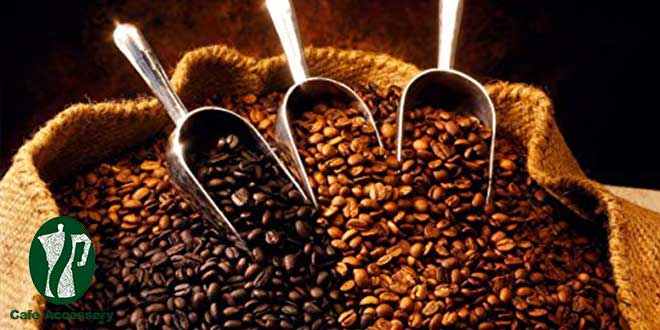
It is possible for coffee companies to source and import their own coffee, but what is more common is for specialist exporting and importing companies to act as intermediaries.

Buying, shipping, and storing coffee is a big operation.

Sourcing coffee directly provides a lovely narrative, and in times gone by, when the speciality industry was less prevalent and used less transparent practices, it was a great way to sidestep a bunch of limitations.

Working with an importer has a number of benefits that small, quality-focused roasters can take advantage of.

Hauling coffee across the world in container ships and through warehouses means that the coffee that turns up can often vary greatly from what you tasted on the cupping table at origin.

If you are buying direct, this is a risk you have to stomach.

Importers also have the benefit of specializing in their part of the supply chain, allowing them to focus on superior networks and relationship building.

Boutique importers do now recognize the need for more unique coffees and are able to respond to trends for certain styles and processing.

In doing so, it is becoming more common for programmes and competitions to be initiated by importers.

Direct buying does have its benefits: it is easier to secure exclusive coffee and obviously you can save a bit of money.

کافه اکسسوری را در اینستاگرام نیز دنبال کنید.
واژه نامه قهوه: فرآیند عسلی Honey process

Honey process

کافه اکسسوری – اول‌ازهمه، در فرآیند عسلی Honey process ، هیچ عسلی درگیر نیست.

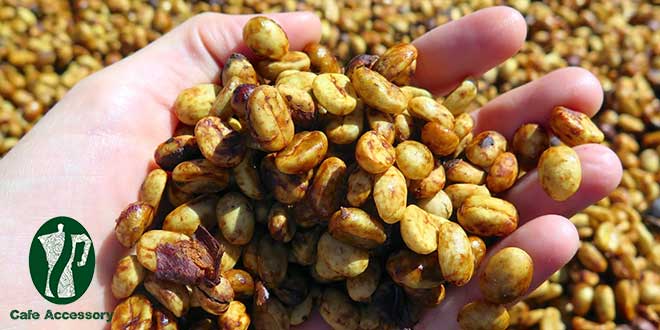
این نام در عوض به گوشت چسبناک گیلاس قهوه اشاره دارد که موسلاژ نامیده می‌شود.

هنگامی‌که قهوه پردازش و خشک می‌شود، می‌توانید تمام گیلاس را روشن بگذارید (فرآیند طبیعی نامیده می‌شود) یا تمام گیلاس را با استفاده از فرآیند شسته شده حذف کنید.

فرآیند عسلی جایی بین این دو قرار دارد و اساساً همان روش طبیعی پالپ شده است.

فرآوری عسلی در آمریکای مرکزی آغاز شده است و معمولاً شنیدن طیف وسیعی از فرآیندهای عسلی: سیاه، قرمز و زرد، با برچسب‌های سفید و طلای کمتر معمول نیز وجود دارد.

این برچسب‌ها حاکی از موارد کمی متفاوت در مناطق مختلف رشد قهوه است، اما به‌طورکلی، یا به درصد موسیلاژ باقی‌مانده روی دانه یا مقدار نور و گرما در معرض مخاط اشاره دارد.

گرما و نور توسط عمق لایه قهوه یا فرکانس تبدیل پوست کنترل می‌شود که به‌نوبه خود در سرعت خشک شدن دانه‌ها و میزان تخمیر در این میان تأثیر دارد.

روند عسل سیاه به‌طورکلی به معنی موسیلاژ بیشتر و زمان خشک شدن کندتر است که منجر به ایجاد یک فنجان شیرین، سنگین‌تر و گردتر با اسیدیته نرم‌تر می‌شود.

فرآیند عسلی پی‌درپی (سیاه، سپس قرمز، سپس زرد، طلایی و سفید) نشان‌دهنده مخاط کمتر و زمان خشک شدن سریع‌تر، یا چرخش بیشتر و درنتیجه فنجان‌های روشن‌تر است.

روند عسلی سفید جذاب است زیرا همه گیلاس‌ها با استفاده از جت آب حذف می‌شوند و این باعث می‌شود که «بدون میوه» ترین فرآیند باشد، حتی بیشتر از فرآیند شسته شده.

منبع: The Coffee Dictionary, Maxwell Colonna

Honey process

First of all, there is no honey involved.

The name refers instead to the sticky flesh of the coffee cherry called mucilage.

When coffee is processed and dried, you can choose to leave all the cherry on (called the natural process) or remove all the cherry using the washed process.

The honey process sits somewhere between the two and is essentially the same as the pulped natural method.

Honey processing has caught on in Central America, and it is common to hear about a range of honey processes: black, red, and yellow, with less common labels of white and gold also existing.

These labels imply slightly different things in different coffee-growing regions but, in general, refer either to the percentage of mucilage left on the bean or the amount of light and heat to which the mucilage is exposed.

The heat and light are controlled by either the depth of the coffee layer or the frequency with which the parchment is turned, which in turn has an impact on how quickly the beans dry and the amount of fermentation that takes place in the interim.

The black honey process universally implies more mucilage and a slower drying time, which results in a heavy, rounder, sweet cup with softer acidity.

Each successive honey process (black, then red, then yellow, gold, and white) represents less mucilage and quicker drying times, or more frequent turning, resulting in brighter and lighter-bodied cups.

The white honey process is intriguing as all the cherry is removed using water jets, which makes it possibly the most “fruit”-free process, even more so than washed processing.

کافه اکسسوری را در اینستاگرام نیز دنبال کنید.
واژه نامه قهوه: هندوراس Honduras

Honduras

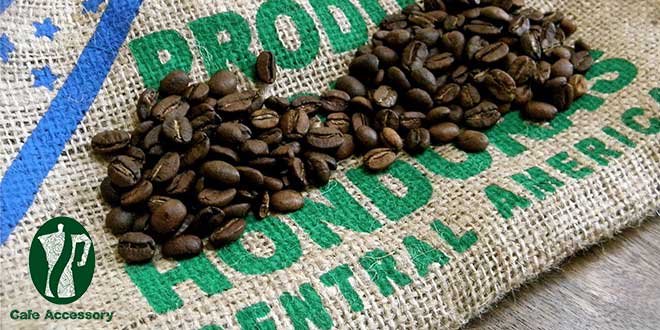
کافه اکسسوری – هندوراس Honduras که دیرتر به مهمانی پرورش قهوه در آمریکای مرکزی رسیده است، اکنون بزرگ‌ترین تولیدکننده قهوه در منطقه است. به تجربه من، قهوه‌های عالی هندوراس دارای میوه و اسیدیته پیچیده‌ای (غالباً گرمسیری) هستند. خریداران سبز غالباً نسبت به قهوه از این منشأ احتیاط می‌کنند، گرچه شرایط برای رشد قهوه بسیار عالی است، اما پس از برداشت قهوه همیشه شرایط برای خشک‌کردن آن چندان مناسب نیستند. این به‌سادگی با میزان بارندگی انجام می‌شود. خشک‌کردن با مشکل باعث می‌شود که یک قهوه تازه از زمان برداشت طعم عالی داشته باشد اما طعم‌دهنده‌ها به‌سرعت از بین می‌روند. این موضوع بخصوص با تولید بیشتر قهوه برای بازارهای ویژه به‌شدت موردتوجه قرار گرفته است. هندوراس یک منشأ قهوه هیجان‌انگیز است.

منبع: The Coffee Dictionary, Maxwell Colonna

Honduras

Coming relatively late to the Central American coffee-growing party, Honduras is now the largest producer of coffee in the region. In my experience, excellent Honduran coffees have outstanding complex (often tropical) fruit and acidity. Green buyers are often wary of coffee from this origin as, although the conditions are excellent for growing coffee, they are not always so good for drying it once the coffee is harvested. This is simply to do with the amount of rainfall. Problematic drying means that a coffee can taste awesome when it is fresh from harvest, but that the flavours quickly fade away. This issue is being heavily focused upon, especially with more coffees being grown for the speciality market. This is an exciting coffee origin.

کافه اکسسوری را در اینستاگرام نیز دنبال کنید.
واژه نامه قهوه: مبدل حرارتی Heat exchanger

Heat exchanger

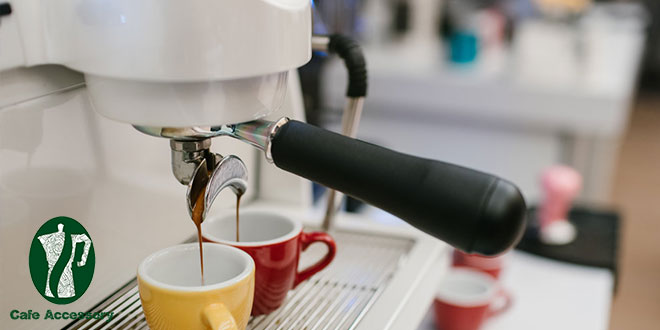
کافه اکسسوری – دستگاه‌های اسپرسو تمایل دارند که آب جوش را به یکی از دو روش گرم کنند. گزینه‌ها یک دیگ فلزی ضخیم است که با یک عنصر گرم می‌شود (پیشرفته‌ترین آن‌ها دما را تا یک درجه تنظیم می‌کند) یا مبدل حرارتی Heat exchanger. در یک مبدل حرارتی، یک لوله کوچک با قطر بسیار باریک درون دیگ بخار گرم قرار می‌گیرد. هنگامی‌که یک شات قهوه تولید می‌کنید، آب شیرین از طریق لوله کشیده می‌شود و آب‌کشیده شده تقریباً بلافاصله گرم می‌شود. مبدل‌های حرارتی هوشمندانه هستند اما چند مشکل بالقوه دارند. اگر مدت کوتاهی دم نکشید، آب مبدل حرارتی می‌تواند خیلی گرم شود. بعلاوه، مبدل حرارتی همچنان به یک منبع آب بسیار گرم نیاز خواهد داشت تا به‌عنوان منبع گرما عمل کند – اگر این دما در هنگام استفاده زیاد دستگاه کاهش یابد، آب دم‌کرده گرمای کمتری برای کشیدن خواهد داشت و همچنین افت خواهد کرد. La Spaziale، تولیدکننده اسپرسو ایتالیایی، دارای یک مبدل حرارتی اختراع شده مبتکرانه است که از بخار به‌جای آب استفاده می‌کند، درنتیجه منبع گرمای پایدارتری را فراهم می‌کند.

منبع: The Coffee Dictionary, Maxwell Colonna

Heat exchanger

Espresso machines tend to heat the brewing water in one of two ways. The options are a thick metal boiler that is heated with an element (the most advanced of these will regulate the temperature to within a degree) or a heat exchanger. In a heat exchanger, a small tube with a very narrow diameter sits inside a hot boiler. When you brew a shot, fresh water is pulled through the tube and the “stretched-out” water is heated almost instantaneously. Heat exchangers are clever but have a few potential problems. If you are not brewing for a short while, then the water in the heat exchanger can get too hot. Additionally, the heat exchanger will still require a body of very hot water to act as the heat source – if this temperature drops when the machine is receiving heavy use, the brew water will have less heat to draw upon and will drop also. La Spaziale, an Italian espresso manufacturer, has an ingenious patented heat exchanger that uses steam instead of water, thereby providing a more stable heat source.

کافه اکسسوری را در اینستاگرام نیز دنبال کنید.
واژه نامه قهوه: هاوایی Hawaii

Hawaii

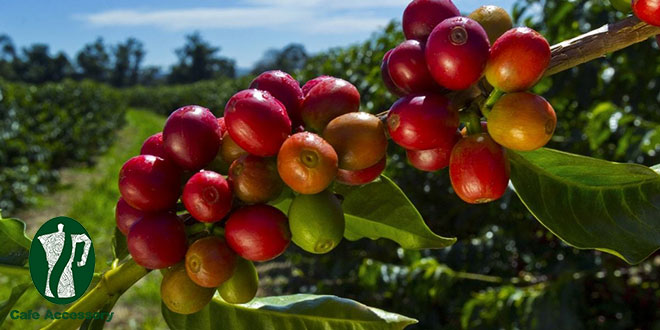
کافه اکسسوری – هاوایی Hawaii کونا نامی است که مدت‌هاست در دنیای قهوه مورداحترام است. بااین‌وجود بعید است که آن را در دنیای قهوه‌های ویژه مشاهده کنید. هاوایی به‌ندرت یک کشور برتر تولیدکننده قهوه در جهان است. این بدان معنی است که قهوه برای همان کیفیت قهوه‌ای که در جای دیگر تولید می‌شود، نسبتاً گران است، به دلیل بالاتر بودن هزینه‌های کار و تولید. این هزینه‌ها بدان معنی است که هاوایی از نظر معرفی فناوری خودکار باید پیشگام باشد و حتی کشاورز مشهور Daterra Estate برزیل نیز به‌منظور مشاهده عملیات و دور انداختن اطلاعات جدید، به هاوایی سفر کرده است. هاوایی برای پرورش قهوه ارتفاعات نسبتاً کمی دارد و پروفیل‌های فنجانی گرد، صاف و پیچیده تولید می‌کند.

منبع: The Coffee Dictionary, Maxwell Colonna

Hawaii

Hawaiian Kona is a long-revered name in the world of coffee. You are, however, unlikely to see it in the world of speciality coffee. Hawaii is rare in being a first-world coffee-producing country. This means that the coffee is relatively expensive for the same quality of coffee grown elsewhere, due to significantly higher labour and production costs. These costs mean that Hawaii has had to be pioneering in terms of introducing automated technology, and even the agronomist at Brazil’s famous Daterra Estate has made trips to Hawaii in order to observe operations and take away fresh insights. Hawaii offers relatively low altitudes for coffee growing and produces cup profiles that are round, smooth, and complex.

کافه اکسسوری را در اینستاگرام نیز دنبال کنید.
واژه نامه قهوه: چشایی Gustatory

Gustatory

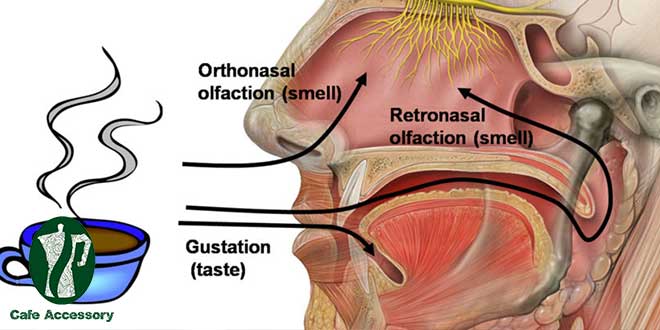
کافه اکسسوری – وقتی چیزی می‌خوریم یا می‌نوشیم آن را در دهان می‌گذاریم و مزه می‌کنیم. چشایی Gustatory اصطلاح فنی این امر است.

تجربیاتی که به دهان ما مربوط می‌شود مربوط به ذائقه است.

بااین‌حال، این یک کار مشترک با بینی ما است و درواقع بیشتر ایده‌های ما در مورد «طعم‌دهنده‌ها» در واقع بیشتر مربوط به سیستم بویایی است.

احتمالاً شما در مورد پنج سلیقه‌ای که زبان مسئول آن‌هاست شنیده‌اید: شیرین، ترش، نمک، تلخ و امامی.

در گذشته، «نقشه زبان» به‌طور مکرر مورد تبلیغ قرار می‌گرفت که نشان می‌داد کدام قسمت از زبان مسئول کدام طعم است، اما این ایده اکنون بسیار مورد اختلاف است.

دهان مسئول «احساسات چشایی» در مقابل عطرها و طعم‌ها است.

گسیختگی، صافی، ابریشمی و چسبندگی همه دامنه سیستم چشایی است. یک تجربه قهوه واقعاً استثنایی، دهان و بینی را درگیر و هیجان‌زده می‌کند.

منبع: The Coffee Dictionary, Maxwell Colonna

Gustatory

When we eat or drink something we put it in our mouth and taste it.

Gustatory is the technical term for this, referring to the experiences in our mouth that relate to taste.

It is, however, a joint venture with our nose and in fact most of our ideas about “flavours” actually have more to do with the olfactory system.

(You have likely heard of the big five tastes the tongue is responsible for: sweet, sour, salt, bitter, and umami.

In the past, a “tongue map” was frequently touted showing which part of the tongue was responsible for which taste, but this idea is now much disputed.)

The mouth is more responsible, however, for “taste feelings” as opposed to aromas and flavours. Astringency, smoothness, silkiness, and stickiness are all the domain of the gustatory system.

A truly exceptional coffee experience engages and excites both the mouth and the nose.

کافه اکسسوری را در اینستاگرام نیز دنبال کنید.
واژه نامه قهوه: گواتمالا Guatemala

Guatemala

کافه اکسسوری – گواتمالا Guatemala کشوری است که به دلیل داشتن قهوه باکیفیت شناخته‌شده است و یکی از بزرگ‌ترین تولیدکنندگان آمریکای مرکزی است. ازنظر جغرافیایی، در بالای منطقه، بالاتر از السالوادور قرار دارد و مانند اکثر همسایگان، قهوه صادراتی آن ارزشمند است. در گواتمالا مناطق تولید قهوه بسیاری وجود دارد، اما بهترین منطقه شناخته‌شده آنتیگوا است. این منطقه می‌تواند برخی از فنجان‌های خیره‌کننده را تولید کند، اما مانند هر منطقه با رشد طولانی‌مدت، قیمت‌ها در بالاترین سطح قرار دارند. هوهتنانگو همچنین اغلب در بخش‌های ویژه دیده می‌شود و برخی از قهوه‌های واقعاً عالی در آنجا پرورش داده می‌شوند. قهوه‌های عالی گواتمالا اغلب یک طعم شکلات آب‌میوه‌ای شاد و روشن دارند. متأسفانه محصولات این کشور اخیراً به‌طور چشمگیری از زنگ‌زدگی برگ رنج برده‌اند.

منبع: The Coffee Dictionary, Maxwell Colonna

Guatemala

Guatemala is a country well known for its quality coffee and is one of Central America’s biggest producers. Geographically, it sits at the top of the region, above El Salvador, and, as for most of its neighbours, coffee is a valuable export. Within Guatemala, there are many coffee-producing regions, but the best known is Antigua. This region can produce some stunning cups but, like any long-established growing region, prices tend to be on the high side. Huehuetenango is also seen very often in the speciality sector and some truly excellent coffees are grown there. Great Guatemalan coffees often have a bright and complex juiciness to them with a chocolaty centre. Unfortunately, crops have recently suffered dramatically from leaf rust.

کافه اکسسوری را در اینستاگرام نیز دنبال کنید.